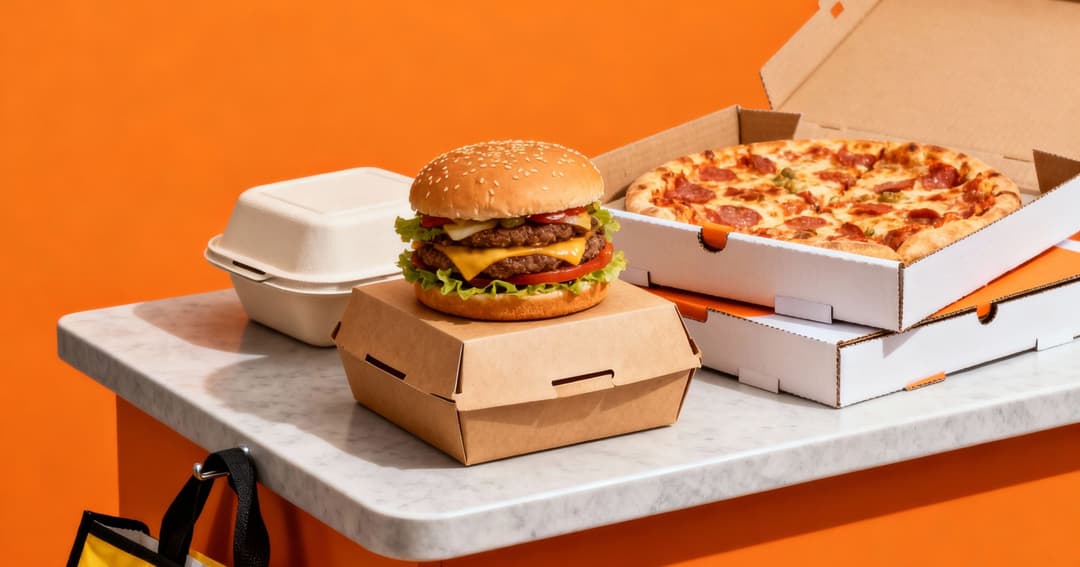
Food Packaging Boxes: Quality vs Quantity
Published: November 28, 2025
Ever opened a takeout container and thought, “Wow, this actually keeps my food fresh and looks good too?” If so, you’ve probably benefited from a food business that takes its packaging boxes seriously. Food packaging boxes are more than just a practical necessity—they’re part of how we experience our meals, whether we’re eating on the go, picking up lunch from a café, or storing leftovers. Today, we’re diving into the balance of quality versus quantity when it comes to these humble boxes, and how it impacts businesses, customers, and even our environment.
Why Food Packaging Boxes Matter
Sometimes, the box feels like an afterthought—something you toss once the food is gone. But for restaurant owners, food truck operators, and anyone in the business of feeding others, packaging boxes make a big difference. Think about receiving a soggy burger in a thin container versus biting into a crispy wrap that’s been kept fresh in a sturdy, well-designed box. One feels disappointing; the other feels thoughtful.
Good food packaging boxes don’t just protect your meal—they add to the whole eating experience. They help keep food at the right temperature, prevent leaks, and can even showcase a brand’s personality. Plus, in an age where presentation matters (hello, social media!), a quality box can set a business apart. The right packaging can evoke trust, making customers come back for more.
The Quality vs Quantity Debate in Food Packaging Boxes
So, what’s more important: stacking shelves with lots of boxes, or investing in fewer, higher-quality ones? It’s tempting to go for quantity, especially if you’re operating on a tight budget or have high turnover. But here’s where experience comes in. Many business owners have discovered that low-quality boxes add up to hidden costs—damaged food, unhappy customers, and unnecessary waste.
The struggle is real. Reliable food packaging boxes can be the difference between a five-star review and no repeat customer. High-quality packaging ensures sturdiness, insulation, and a pleasant presentation, but it can mean higher upfront costs and more planning. On the other hand, lower-quality boxes are usually cheaper, allowing businesses to buy in bulk, but they may compromise on performance and customer satisfaction.
Features That Set Quality Boxes Apart
Here’s what usually distinguishes superior food packaging boxes from the rest:
- Material Strength: Sturdy cardboard or biodegradable alternatives help resist spills and leaks. They also protect meals during delivery, especially in busy or unpredictable weather.
- Design & Usability: Boxes that open easily, stack well, and keep food secure show attention to detail. Great design means less mess and a happier customer.
- Eco-Friendliness: Many customers want packaging they can recycle or compost. Sustainable food packaging boxes build brand trust and help the planet.
How Quantity Can Influence Operations
Now, quantity plays its own role. If you serve hundreds daily, running out of boxes is not an option. Bulk purchasing tends to lower costs per unit, and may guarantee you won’t run out mid-rush. For busy cafés and high-volume eateries, quantity sometimes trumps the perfect box. After all, you can’t serve a sandwich without something to wrap it in!
But, businesses often find that the savings on bulk buys disappear when poor packaging impacts food quality, or customer complaints rise. Balancing supply with reliability is a smart move, especially for those scaling up.
Practical Tips for Choosing and Using Food Packaging Boxes
If you’re in the food business, here are a few practical tips for making the most of your packaging:
- Test before you buy: Try out small batches of different food packaging boxes with actual menu items.
- Consider your brand: Use packaging that reflects your business—sleek, eco-friendly, fun, or functional. It should align with your message and target audience.
- Ask for feedback: Customers know what works best. Use their insights to choose boxes they'll love (and keep your meals fresh).
What to Look For: Food Packaging Boxes Buying Guide
If you’re browsing catalogs or talking to suppliers, it helps to look out for these factors:
- Quality Over Cheap: Even if you’re buying in bulk, don’t sacrifice fundamental features like leak-proof corners or thick insulation.
- Sustainability: Check if the boxes are recyclable, compostable, or made from post-consumer materials. Sustainability often wins customer loyalty in today’s market.
- Supplier Reliability: Fast, dependable deliveries and responsive customer service can be even more important than the cheapest price tag.
Trusted suppliers tend to provide food packaging boxes that go through quality control. Look out for certifications or testimonials to help ensure you’re choosing well.
Conclusion: Finding the Balance for Business Success
So, what’s the takeaway here? Whether you’re a business owner, manager, or even a curious foodie, recognizing the value of food packaging boxes can change how you think about your next meal. Yes, quantity is essential for keeping up with demand. But, quality—both in terms of materials and design—really does make the difference. Customers notice. Food stays fresher. And, over time, your business thrives.
If you’re rethinking your packaging choices, start by testing a few high-quality food packaging boxes. Compare them against bulk options, and see which makes the most sense for your operation and budget. By doing so, you’ll set yourself up for more satisfied customers, better reviews, and a sustainable future. Your business (and your customers) deserve packaging that’s up to the task.
Ready to make the switch or elevate your food packaging? Explore your options, talk with suppliers, and don’t be afraid to put quality first. Smart packaging is always in style!
Get in Touch
Still have questions? Fill out the form below and our team will get back to you shortly.