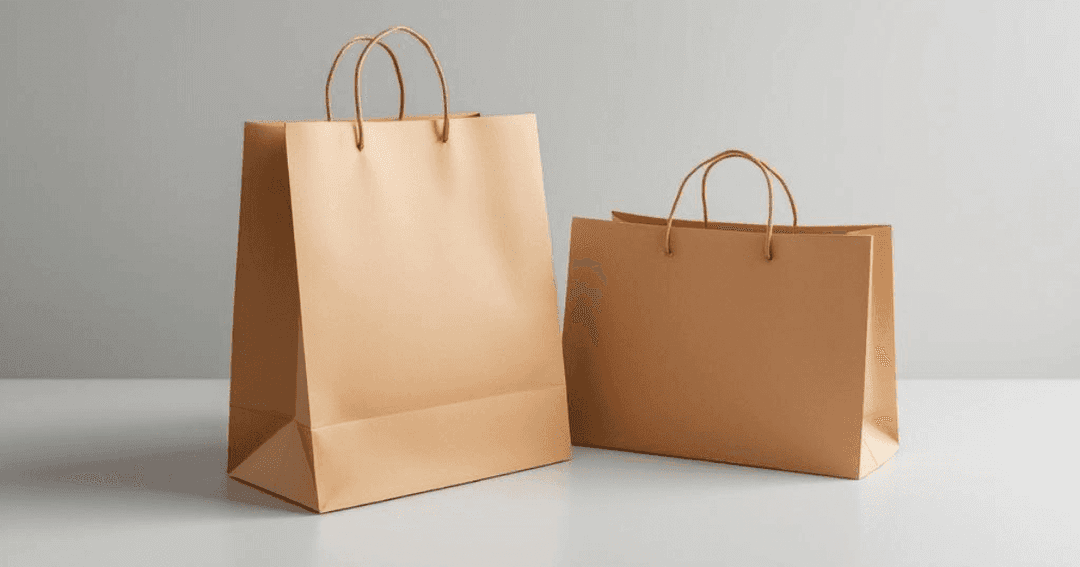
GSM Paper Vs. Other Paper Types for Carry Bags
Published: December 29, 2025
GSM Paper vs. Other Paper Types for Carry Bags: The Ultimate Guide
Have you ever wondered why some paper carry bags feel sturdy and reliable, while others crumple after holding just a few groceries? The answer often comes down to something called GSM paper. If you’ve searched what GSM paper is used for carry bags, you’re not alone! Let’s explore how GSM paper stacks up against other paper types for carry bags, and help you choose the right one for your needs.
Why Paper Choice Matters for Carry Bags
Let’s be honest—paper carry bags are everywhere. Whether you’re grabbing takeaway lunch, shopping at a local boutique, or packing treats for a party, the humble carry bag plays a bigger role in our daily lives than we might think. Choosing the right paper is not just about looks; it’s about practicality, sustainability, and what the bag can actually hold. Imagine buying a birthday gift, and the bag gives out before you even get to the party. Not ideal, right? That’s why understanding your options, like GSM paper versus other types, can really save the day (and your stuff).
What GSM Paper Is Used For Carry Bags?
GSM stands for Grams per Square Meter. This is a standard that measures the weight (and indirectly, the thickness or sturdiness) of paper. For carry bags, the typical GSM ranges from 100 to 200, depending on how robust you need the bag to be. When you search what GSM paper is used for carry bags, you’re really asking how strong, thick, and reliable your bag will be.
But GSM isn’t the only way paper bags are made. There are several types of paper, and knowing the difference can help you buy smarter (or just sound cool at your next eco-friendly event).
GSM Paper vs. Kraft Paper: What’s the Difference?
Many people think Kraft paper and GSM paper are the same thing, but that’s not quite right. Kraft refers to the process and raw material used — it’s usually unbleached, making it brown, and known for its toughness. Kraft paper is strong and durable on its own, but its GSM value is what truly determines its capability for carry bags.
For example, a 120 GSM Kraft bag is sturdier than a 90 GSM one, but the GSM can be applied to any paper type, not just Kraft. That means you can have GSM-calibrated newsprint, art paper, or recycled paper, too — but the raw strength of Kraft often gives it an edge when high GSM is needed.
Comparing GSM Paper with Other Paper Types
So, how does GSM measure up to some common alternatives?
- Art Paper: Smooth, glossy, and great for printing, but usually not as strong as Kraft at similar GSMs. Best for lighter loads or when style is your top priority.
- Newsprint: Thin and affordable, but not built for heavy-duty use, no matter the GSM. These bags are fine for single-use, light contents.
- Duplex Paper: Has a bright white, coated surface and a darker base. Offers decent strength but typically falls behind Kraft when it comes to ruggedness.
In short, the GSM rating gives you an apples-to-apples way to measure potential strength and utility, no matter what the base paper is.
Advantages of GSM Paper Bags
It’s not just about numbers — GSM paper bags offer some real, practical benefits:
- Custom Strength: You can choose GSM ratings to match the expected weight. Need takeout for four? Go for 150 GSM or above. A party favor? 100 GSM is often enough.
- Versatility: GSM paper comes in many finishes — matte, gloss, plain or printed — so you can bag your groceries, gifts, or even company swag in style.
Drawbacks Compared to Other Paper Types
No material is perfect. Here’s the flip side when using GSM paper compared to alternatives:
- Price Point: High-GSM bags, especially in specialty finishes, can cost more than basic paper options like newsprint.
- Bulkiness: After a point, higher GSM values make bags heavier and less flexible, which might not be ideal for every use.
But for most regular daily usages, these drawbacks are minor compared to the advantages in reliability and style.
Tips for Using and Choosing GSM Paper Bags
If you’re ready to dive in, here are a few practical tips:
- Match the GSM to the job — use 100-120 GSM for lighter items, 150-200 GSM for everything else.
- Check handles and bottom reinforcement if you’re planning to carry heavier goods.
And don’t be shy to ask for samples if you’re buying in bulk, especially for events or retail.
Buying Guide: What to Look for in Paper Carry Bags
Before you make a choice, keep these factors in mind:
- Quality: Look for uniform GSM paper, consistent texture, and neat construction. Poorly glued handles or thin bottom boards can ruin even a great paper.
- Sustainability: Ask if the paper is recycled or FSC-certified if eco-friendliness is important to you.
- Intended Use: Choose your GSM and style based on what you’ll put in the bag, not just how it looks!
Conclusion: Making the Right Choice for Your Carry Bags
GSM paper isn’t just a buzzword — it’s a genuinely useful way to get the strength, durability, and style you want from your carry bags. While other paper types like Kraft, art paper, or newsprint have their place, understanding what GSM paper is used for carry bags gives you the power to pick what works best for each situation. Whether you’re running a small business, buying in bulk for events, or just want your groceries to arrive home safely, choosing the right paper makes a world of difference. Ready to give GSM paper a try for your next carry bag need? Start with the tips above, and you’ll make a choice that’s both practical and smart.
Get in Touch
Still have questions? Fill out the form below and our team will get back to you shortly.