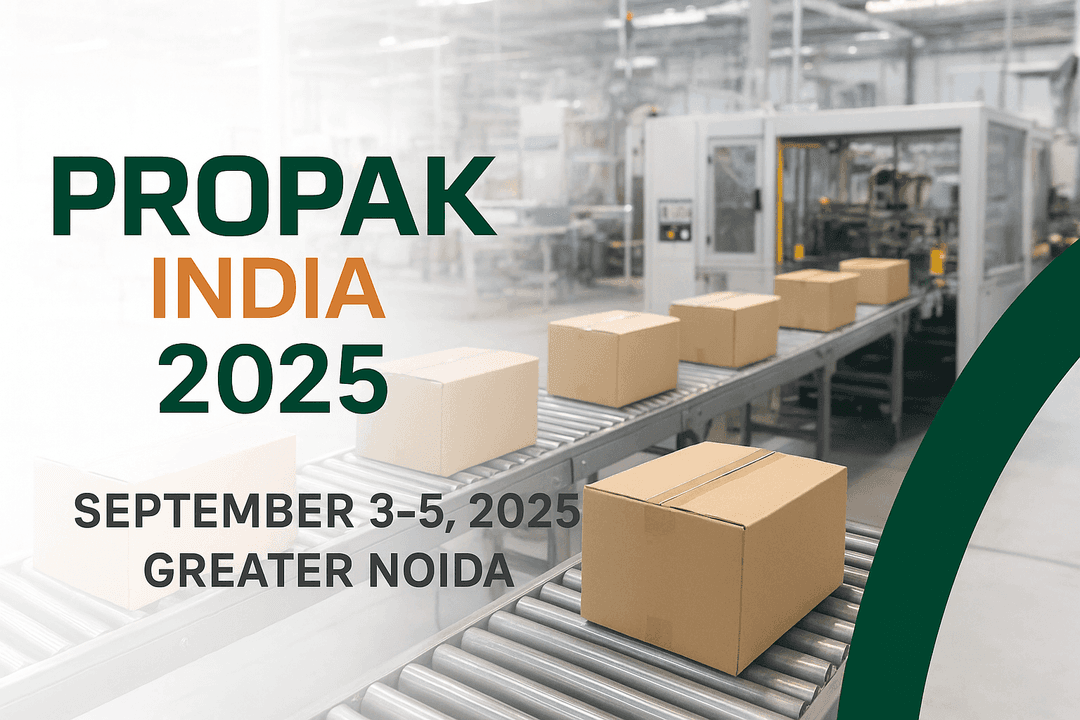
ProPak India 2025: Mapping the Future Course of Indian Food Packaging
Published: August 22, 2025
If you’re curious about where Indian food packaging is heading, ProPak India 2025 is the pulse you’ll want to keep your finger on. Whether you run a D2C food brand, are a packaging enthusiast, or just someone who cares about what your snacks come wrapped in, there’s a lot brewing in this space. This blog takes a closer look at the vision behind ProPak India 2025, spotlighting the innovations, trends, and fresh thinking that are shaping the future of food packaging in India. Let’s dive into what this means for you, your customers, and the way food fits into our everyday lives.
Why Food Packaging’s Future in India Matters
Picture walking through your local supermarket: rows of colourful pouches and boxes, each vying for attention amid heat, humidity, and a whirlwind of tastes. For Indian consumers and brands alike, packaging isn’t just about looks—it’s about safety, convenience, and a genuine promise of quality. With food delivery booming and eco-conscious choices rising, how we wrap, seal, and share food is more relevant than ever.
The modern D2C food market moves fast. Trends come and go, but smart packaging ensures products not only arrive fresh, but stay that way. Cultural shifts toward sustainability and ethical eating are also nudging packaging forward, creating space for materials and designs that fit local needs and values.
Key Themes at ProPak India 2025: Previewing the Future of Food Packaging
ProPak India 2025 is setting the stage for what’s coming next in food packaging. Let's break down the core themes shaping the event and the industry as a whole, all of which circle back to our main focus: the future of food packaging in India.
1. Sustainable & Smart Packaging Solutions
Sustainability is no longer optional—it’s essential. This year, ProPak is spotlighting packaging that is recyclable, compostable, and made from renewable resources. From bio-based plastics to upcycled materials, expect to see plenty of innovation aimed at reducing waste and shrinking carbon footprints. Indian brands are beginning to adopt smart packaging features too—think QR codes for tracing origin, freshness sensors, or biodegradable wrappers that meet local disposal needs.
- Eco-friendly options for every business size—from local startups to established D2C giants.
- Technologies that help brands track and share provenance and expiry details easily.
2. Digital Transformation & Automation
The days of manual assembly lines are fading fast, replaced by intelligent machines and automation. With digital printing, modular production, and AI-backed inspection systems, food packaging in India is taking a leap toward speed and precision.
- Shorter lead times and flexible customization for D2C launches.
- Better quality control, consistent branding, and reduced packaging errors.
3. Balancing Safety and Convenience
For any food brand, safety and shelf life are paramount. ProPak India 2025 will spotlight technologies that keep food fresher for longer—think advanced sealing, tamper-evident materials, and improved barrier films. At the same time, evolving family dynamics, on-the-go eating habits, and e-commerce growth require packaging that’s easy to open, reseal, and transport.
- Smart closures and re-sealable designs for busy families.
- Enhanced monitoring for temperature-sensitive foods.
4. Consumer-Centric Design Trends
Packaging is a brand’s handshake with its customers. ProPak India 2025 explores how visual storytelling, tactile finishes, and functional design are winning hearts (and repeat purchases). Personalization—whether it’s new formats, vibrant colours, or locally inspired motifs—helps D2C brands stand out in a crowded market.
5. Regulatory & Compliance Innovations
As rules around food safety, labelling, and sustainability tighten, ProPak spotlights practical ways for businesses to stay compliant without losing out on style or efficiency. New certifications and traceability standards are gaining ground—making it easier for D2C brands to build trust with their customers.
How to Apply ProPak India 2025 Insights
Attending ProPak or following its news gives food brands fresh ideas for packaging, but putting theory into action matters most. Here are two practical tips:
- Test packaging prototypes with real customers—in-store or online—to gather feedback before a full rollout.
- Partner with suppliers who offer flexible, small-batch production to improvise and iterate faster.
For D2C brands, respond quickly to trends but stay grounded in what your own market values. Sometimes, a memorable pack that’s easy to open is just as vital as an eco certification!
Before You Buy: Key Considerations for Packaging Solutions
Planning to invest in new food packaging for your brand? Here are a few things to weigh before making your decision:
- Quality & Durability: Packaging should protect food, be leak-proof, and withstand transit.
- Certifications: Look for FSSAI, ISO, or eco-certifications to build trust and ensure regulatory compliance.
- Sustainability: Materials sourced responsibly, and easy disposal or recycling options can set your brand apart.
The future of food packaging in India is bright, and staying informed helps you make confident, responsible choices.
Conclusion: Get Ahead in Food Packaging with ProPak India 2025
Food packaging may seem like a technical detail, but its power to shape how we eat, shop, and trust our favourite brands is undeniable. ProPak India 2025 is more than an expo—it’s a preview of where innovation, culture, and consumer expectations meet.
For D2C brands, this is your playbook for the next wave of packaging: sustainable materials, digital-first solutions, and lively designs that resonate. Whether you’re ready to overhaul your packaging or just testing the waters, keep an eye on ProPak's insights—they’re the compass for navigating the future of food packaging in India.
Want to discover more trends, expert insights, or supplier recommendations? Explore our packaging category and join the conversation shaping food packaging’s next chapter in India.
Get in Touch
Still have questions? Fill out the form below and our team will get back to you shortly.