The Evolution of Printed Boxes in Retail Industry
Published: November 27, 2025
The humble box you take home after a shopping trip has come a long way. Today, printed boxes aren’t just containers—they’re a vibrant part of the retail experience, reflecting brands and sometimes, even personality. If the retail world fascinates you, or you’re a shopper who notices the details, the evolution of printed boxes in the retail industry is a story worth exploring. Let’s unpack how these cardboard heroes have transformed and why it matters to businesses and buyers alike.
Why Printed Boxes Matter More Than Ever
Think about the last time you received a package or bought something at a boutique. Did the printed box catch your eye? With retail moving online and in-store experiences growing more competitive, the box isn’t just packaging—it is the first handshake between brand and customer. Printed boxes are often the very first impression you get from a business. Their look, feel, and even the message on them can stir excitement, curiosity, or a sense of luxury.
In many homes, people repurpose stylish printed boxes for storage, gifting, or decoration. Beyond their practical side, these boxes tell stories about eco-friendliness, creativity, and innovation. For brands, they’re an incredible way to connect emotionally and practically with customers.
The Changing Face of Printed Boxes: Modern Trends
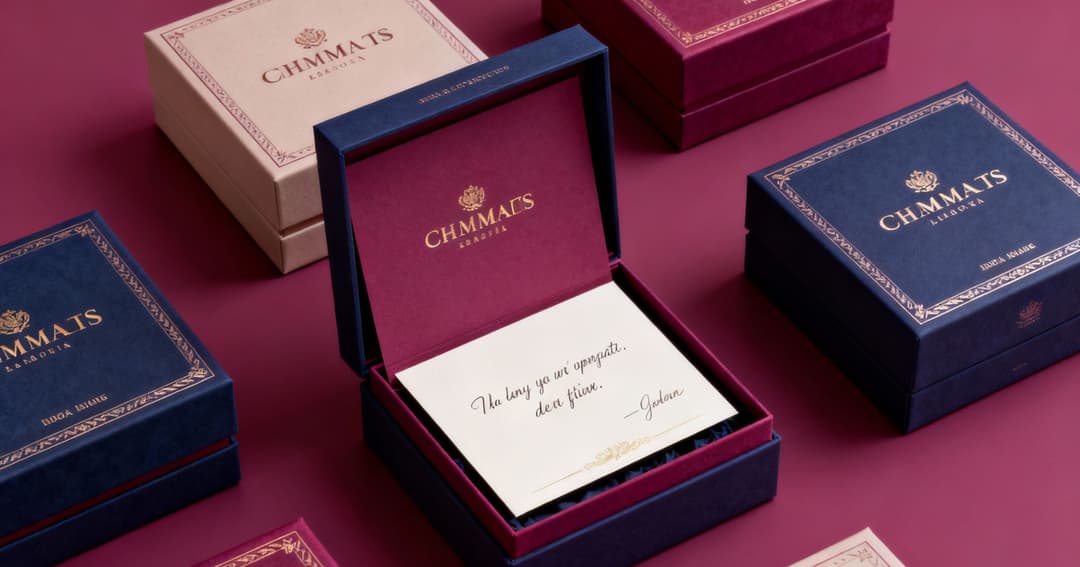
Printed boxes used to be simple—a logo here and there, maybe a product description. Now, thanks to design advancements and consumer demand for personalization, they're anything but plain. Bright graphics, bold patterns, and meaningful messages are all part of the modern box. Some companies even collaborate with artists or influencers to create limited-edition printed boxes, turning packaging into collectible art.
Interactive and sustainable designs have emerged lately. QR codes on printed boxes link customers to special offers or behind-the-scenes videos. The rise of eco-consciousness has encouraged brands to use recycled material and vegetable-based inks, making packaging not just attractive but responsible. These innovations show how printed boxes go beyond function—they help brands stay ahead and make shopping more memorable.
Technology Behind the Box: How Printing Has Evolved
Printed boxes in retail have greatly benefited from new technology. Digital printing lets businesses customize boxes in small batches, making it cost-effective to roll out seasonal or event-based designs. High-definition printing brings vibrant color and precise images, so brands can display their logo in perfect detail. Unlike old methods, these technologies are faster and less wasteful.
Some brands use augmented reality—scan the box and see something come to life on your phone! Techniques like embossing, foiling, and spot UV coating give printed boxes a luxurious touch, appealing to customers who value quality presentation. These tech improvements mean that businesses of all sizes can offer attractive packaging, not just big retailers.
Adaptation: Printed Boxes for Every Shopping Experience
Retailers work hard to match their packaging to their brand identity, audience, and channel. Printed boxes are tailored for physical stores, e-commerce, pop-ups, and even subscription services. For instance, an online beauty store might use sturdy printed boxes designed to withstand shipping, featuring inside messages that surprise customers when they open their order. In contrast, a boutique might select elegant, textured boxes to reinforce a premium feel.
Adaptation isn’t only about design—it’s also about size and structure. Retailers test different shapes, closures, and inserts to protect products and add joy to unboxing. This clever use of printed boxes keeps consumers engaged and makes shopping less transactional, more personal.
Printed Boxes in Daily Life: Practical Tips and Ideas
Printed boxes are more than product holders. With a bit of creativity, they can be upcycled or reused around the home.
- Use small printed boxes as drawer organizers or for storing keepsakes—especially those with memorable artwork.
- Gift someone a present in a repurposed printed box. It adds personality and an extra touch to your gift.
- Crafters can turn high-quality printed boxes into DIY projects or decor—just look for sturdy, visually interesting designs.
The best printed boxes often serve a second life, creating lasting value for consumers and reducing waste.
Buying Guide: What to Look for in Printed Boxes
If you’re a retailer, entrepreneur, or even a consumer interested in making mindful purchases, choosing the right printed boxes matters. Here’s what to keep in mind:
- Quality and Durability: Inspect the material and printing finish. A good box should protect its contents and hold up under use.
- Sustainability: Look for recyclable materials, biodegradable inks, and transparent practices. Responsible packaging sends a positive signal to customers.
- Design and Fit: Make sure the printed box matches the brand image and product type. Unique structures or eye-catching printing help stand out.
Retailers often consult packaging experts or order samples before committing to a large run. Trends change, so flexible suppliers can make a big difference over time.
Conclusion: Where Printed Boxes Go Next
From plain cardboard to conversation starters, printed boxes continue to evolve, responding to technology, sustainability, and changing lifestyles. Whether you’re picking packaging as a business, reusing boxes at home, or simply enjoying a clever design, these containers add real value to every retail interaction. If you’re curious or inspired, take a closer look at the next package you open—the story might surprise you!
Ready to transform your own packaging strategy or recycle with creative flair? Explore and experiment with printed boxes—the retail industry's quiet, yet powerful, revolution.
Get in Touch
Still have questions? Fill out the form below and our team will get back to you shortly.