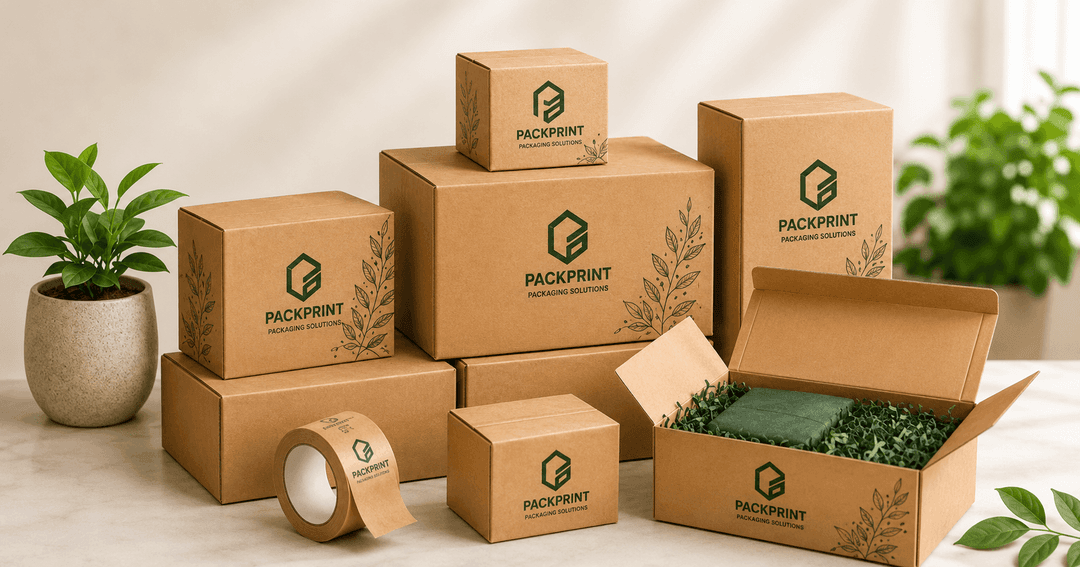
How Corrugated Boxes Are the Future of Sustainable Packaging
Inkprint Team
Published: August 3, 2026
It’s 2024, and everywhere you look, businesses are reimagining how they package, ship, and present their products. Sustainability is no longer a buzzword; it’s a necessity — for both planet and profit. At the center of this packaging revolution? Corrugated boxes. If you’ve ever received an online order, moved homes, or shipped products at work, chances are high you’ve already encountered them. But what’s so special about these sturdy, often brown boxes, and why are they leading the charge toward sustainable packaging? Whether you run a business or care about the environment, this article uncovers why corrugated boxes are not only practical but powerfully sustainable.
Why Sustainable Packaging — and Corrugated Boxes — Matter
Let’s face it: the way we package and deliver goods impacts the world far beyond our front doors. Mountains of plastic waste, hard-to-recycle materials, and excessive packaging have left a mark on landfills and oceans. People today want better — and so do businesses. In fact, studies show that consumers are more likely to support brands with eco-friendly values. But sustainable packaging isn't just about looking good for your customers. It's about making choices that benefit the entire supply chain, from manufacturer to end recipient.
Corrugated boxes play a starring role here. They’re made from renewable resources, have a high recycling rate, and offer customizable solutions for businesses big and small. For those who remember flattening cardboard boxes for the recycling bin as a kid, it’s proof that good habits — and good packaging — can last a lifetime.
What Makes Corrugated Boxes Stand Out?
Corrugated boxes aren’t just average cardboard. They’re engineered with multiple layers — typically a fluted middle sandwiched between smooth outer layers. Here’s why this design is a game-changer:
Strength and Protection: The fluted middle absorbs shocks, making boxes strong enough to protect everything from electronics to fresh produce.
Lightweight Efficiency: Despite their toughness, corrugated boxes are light. This helps cut down on shipping costs and energy use during transport.
Versatility: These boxes are easy to customize in size, print, and finish, so they work for almost every industry out there.
Corrugated Boxes: The Future of Environmentally Friendly Packaging
What really sets corrugated boxes apart in a world striving for greener choices? Let’s break down the sustainable superpowers that push them to the forefront:
Renewable Materials: Most corrugated boxes are crafted from trees that are grown in sustainably managed forests. Many boxes already contain a high percentage of recycled paper.
High Recycling Rates: In Europe and North America, recycling rates for corrugated packaging often top 80%. That’s a huge win when compared to plastics or mixed materials that rarely get recycled.
Easy Reuse and Repurposing: Need to ship again, store items, or move? Corrugated boxes can be reused for countless new tasks before they hit the recycling bin.
The bottom line: every time you choose corrugated boxes, you’re making a decision that supports a circular economy, where resources stay in use longer and waste is minimized.
Real-Life Examples: Businesses Going Green with Corrugated Packaging
Let’s look at what this shift toward sustainable packaging looks like in practice. Major brands — from local bakeries to global e-commerce giants — have made the switch to corrugated boxes for reasons that go beyond mere compliance. For example, some coffee shops now pack their subscription beans in compact corrugated packages that double as countertop displays. E-commerce companies proudly print their branding with water-based inks on recycled corrugated boxes, turning each delivery into a mini billboard for eco-conscious values.
It isn’t limited to big brands. Small businesses choose corrugated boxes, too, because they're easy to source, ship flat (saving storage space), and can be recycled by almost anyone, anywhere. That’s the kind of everyday accessibility that quietly drives real change.
How to Make the Most of Corrugated Boxes
Here are a few tips to make your packaging process both practical and planet-friendly:
Opt for boxes made with recycled content, and check for certifications like FSC or SFI for responsibly sourced materials.
Right-size your packaging to reduce waste — not every order needs the largest box on the shelf.
Encourage your customers to recycle or reuse boxes by including a note or simple recycling tips in the packaging.
Remember: even small tweaks can have a big impact over time, especially as your volume grows.
What to Consider Before Buying Corrugated Boxes
If you’re switching to corrugated packaging, don’t just buy the first box you see. Here’s what smart shoppers look for:
Quality: Check the thickness or “board grade” based on what you need to ship. Fragile or heavy items often need a sturdier, double-walled box.
Sustainability Features: Look for a high recycled content percentage, and buy from suppliers with transparent environmental practices.
Customization and Print Options: Does your supplier offer eco-friendly inks and right-size options to minimize unnecessary material?
Taking these extra steps ensures every box you use is as thoughtful as the product it holds.
Conclusion: Be Part of the Corrugated Revolution
The packaging world is changing, and it’s clear corrugated boxes are paving the way for a more sustainable, responsible future. They combine durability, adaptability, and environmental responsibility — a triple win that’s hard to beat. Businesses have a real opportunity to make positive, lasting change with every shipment they send. Whether you’re an entrepreneur, office manager, or simply someone who cares about the packages you receive, the choice is in your hands.
Ready to rethink your packaging? Explore corrugated boxes for your next shipment or move. It’s a simple switch — but one that makes a difference, box by box.
Frequently Asked Questions
Get in Touch
Still have questions? Fill out the form below and our team will get back to you shortly.