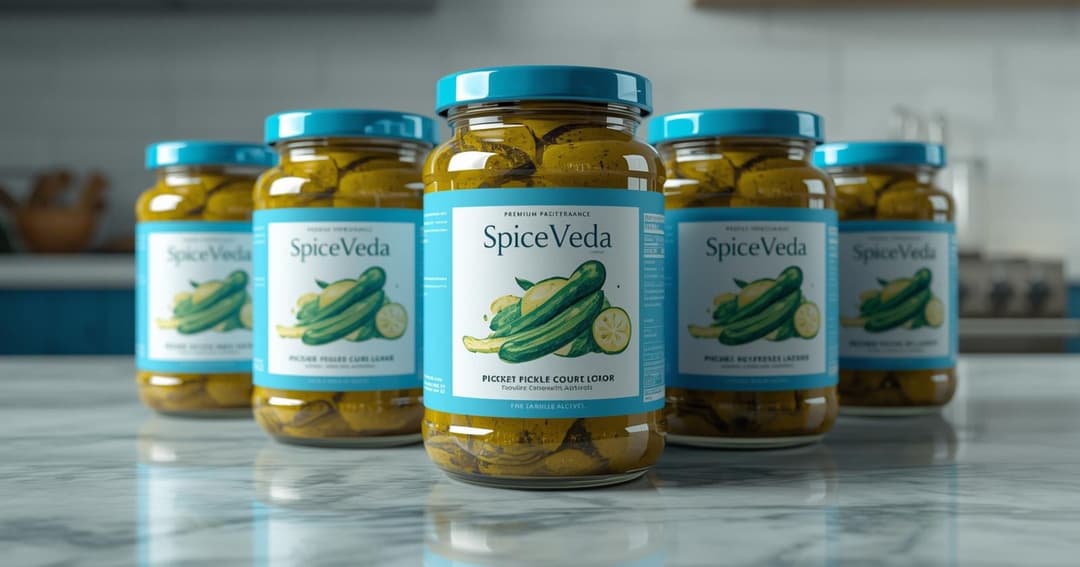
How Product Labels Contribute to Branding Strategy
Published: December 23, 2025
Ever picked up a product because the label caught your eye? You're not alone. For many businesses, learning how to design product labels for branding is less about aesthetics and more about crafting an experience for consumers. Whether you're an indie soap maker, a coffee roaster, or a multinational food brand, the right label can help your product stand out, tell its story, and create a loyal following. Let's unpack exactly how product labels fit into branding strategy—and how you can use them to shape consumer behavior in your favor.
Why Product Labels Matter—Beyond the First Impression
Labels do more than identify what's inside a package—they say something about the brand. They're like tiny billboards that consumers carry home, and they weave into our daily routines. Think about the last time you browsed the grocery aisle: did you reach for something that felt familiar, or were you tempted by a splash of color or clever typography? That instant connection, curiosity, and recognition comes down to effective label design.
On a practical level, labels deal in trust. People want to know what they're buying, and labels are the handshake that says, "We've got your back." Emotionally, good labels can evoke nostalgia, spark joy, or invite curiosity. A great craft beer label might feel like an old friend. A minimalist skincare container sends signals of purity and calm. Each choice influences how we feel—and what we buy.
How To Design Product Labels For Branding: The Essentials
Let's dive into the nitty-gritty of how to design product labels for branding. At its core, label design combines visual storytelling with practical information. Your label needs to catch attention, inform at a glance, and evoke the values of your brand. Here are some foundational pillars:
- Visual Identity: Use brand colors, logos, and fonts consistently. This builds recognition across all your products.
- Clarity: Avoid clutter. Prioritize essential information—like name, ingredients, and any required legal details—while making sure it's readable and organized.
- Unique Voice: Infuse brand personality through tone, imagery, and even quirky product names. Don't be afraid to stand out in your niche.
Creating Emotional Connections Through Labels
The most compelling product labels aren’t just pretty—they make us feel something. Maybe it’s joy when you spot a playful ice cream pint, reassurance from a clinical vitamin bottle, or comfort from a softly illustrated candle. Brands often lean into storytelling, drawing on cultural icons, local history, or shared lifestyle values. Think Ben & Jerry’s with their whimsical scenes, or Aesop’s quietly elegant bottles. These brands use labels to become part of our personal stories, not just things on a shelf.
Balancing Information and Style
You want your customers to have all the facts. That’s why regulatory details, ingredient lists, and warnings need to be present—often mandated by law. But, piling on too much information can overwhelm or confuse. The art lies in how to design product labels for branding with the right blend of information and aesthetics. If you’re selling food, clear allergen info and nutritional breakdowns build trust. For beauty brands, transparent ingredient lists set you apart. It's about sharing what matters without sacrificing style.
- Use hierarchy—highlight the most important messages using size and placement.
- Adopt iconography to make details instantly understandable (like vegan, recyclable, or gluten-free badges).
How To Design Product Labels For Branding Across Different Industries
Every marketplace has its own rules. In beverages, vibrant, tactile labels are popular, urging you to pick up and hold the product. Tech gadgets often go minimalist, using strategic pops of color or metallic accents to signal innovation. In food, eco-friendly materials and earthy designs reflect values of sustainability. Consider your audience, the shopping environment, and your competition. Study the visual cues used by leaders in your space—but look for areas where you can be memorably different.
Practical Guidance: Styling & Usage Tips
Ready to craft a striking label? Consider these practical tips:
- Know Your Shelf Space: Labels should look good stacked, lined up, or scattered—design with real shelf presence in mind.
- Test Different Formats: Round, square, wrap-around, and die-cut labels offer unique opportunities to play with visual style and storytelling.
And always get feedback—what looks good on screen might read differently in-store or online. Small tweaks in color, texture, or layout can make all the difference in standing out.
Buying Guide: What to Check Before Choosing or Printing Labels
If you're choosing labels for your own products, keep a few essentials in mind:
- Material Quality: Durable, waterproof, or eco-friendly options can affect customer perception and label longevity.
- Print Resolution: Crisp graphics build a sense of professionalism. Blurry or faded printing can undermine brand trust.
- Sustainability: Eco-conscious consumers increasingly look for recyclable or compostable label materials. It’s good for business and the planet.
Double-check legal requirements for your product category—especially for food, cosmetics, or supplements. Compliance isn’t just smart; it’s necessary.
The Takeaway: Make Your Labels Work Hard For Your Brand
At the end of the day, labels are more than packaging—they're an essential part of your branding strategy. They shape how people think, feel, and remember your products. By mastering how to design product labels for branding, you’re inviting consumers into your brand’s story with every glance.
Curious about leveling up your own product labels, or ready to refresh your current ones? Start with your core values and audience, experiment, and never underestimate the power of a well-designed label. Strong labels don’t just catch eyes—they create loyal fans. Need more guidance? Stay tuned for upcoming tips or reach out for advice tailored to your market and brand goals.
Get in Touch
Still have questions? Fill out the form below and our team will get back to you shortly.