Kraft vs Butter Paper: An Insight Into their Material
Published: December 21, 2025
Thinking about packaging can feel a little overwhelming. There’s so much choice out there, whether you’re starting a small bakery, wrapping up gifts, or planning how to ship your brand’s products. Among all the options, two materials stand out in conversations: kraft paper and butter paper. In the world of packaging, understanding “Kraft vs Butter Paper For Packaging” can make a real difference — not just for practicality, but for sustainability, cost, and that all-important first impression.
Why Choosing the Right Packaging Paper Matters
We all know what it’s like to open up a package and instantly judge its quality by the wrapping. The paper you choose for packaging does more than protect what’s inside; it sends a message about you or your business. Are you eco-friendly? Do you care about freshness? Packaging paper has become a symbol for values — like sustainability, professionalism, and creativity. Whether you’re wrapping cakes for a café or sending out handmade goods, picking between kraft vs butter paper for packaging can impact both your customer’s experience and your bottom line.
Beyond that, both kraft paper and butter paper are commonly found in homes and kitchens, making them practical choices for everyday folk and businesses alike. Understanding the difference helps you make mindful, reliable packaging decisions.
Kraft Paper: The Reliable Workhorse
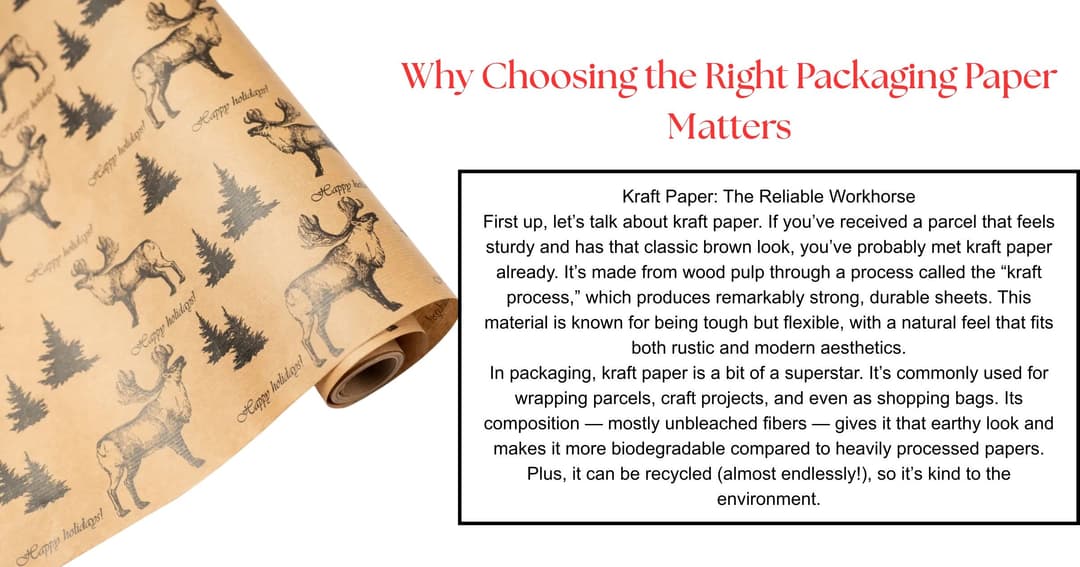
First up, let’s talk about kraft paper. If you’ve received a parcel that feels sturdy and has that classic brown look, you’ve probably met kraft paper already. It’s made from wood pulp through a process called the “kraft process,” which produces remarkably strong, durable sheets. This material is known for being tough but flexible, with a natural feel that fits both rustic and modern aesthetics.
In packaging, kraft paper is a bit of a superstar. It’s commonly used for wrapping parcels, craft projects, and even as shopping bags. Its composition — mostly unbleached fibers — gives it that earthy look and makes it more biodegradable compared to heavily processed papers. Plus, it can be recycled (almost endlessly!), so it’s kind to the environment.
Butter Paper: The Slick Solution for Food
Butter paper, sometimes called “greaseproof paper,” is a totally different beast. Made from chemically-treated wood pulp, it’s designed to resist oil and moisture. This is the sheet you’d use to wrap sandwiches, line baking trays, or keep cookies fresh. It’s thin, smooth, and slightly translucent, providing a barrier against mess and sticking.
In the packaging world, butter paper is especially beloved by food businesses. Its finish prevents greasy food from soaking through, making it perfect for bakeries, delis, and home cooks. While it’s great for food, butter paper isn’t particularly strong — if you tried to wrap a heavy object or use it for shipping, it would tear easily.
Kraft vs Butter Paper For Packaging: Comparing Features
Here’s where things get interesting. Choosing between kraft vs butter paper for packaging requires thinking about what you need your paper to do. Let’s break them down:
- Durability: Kraft paper wins hands-down. It handles heavy items and rough handling, making it reliable for shipping and protection.
- Grease Resistance: Butter paper is designed for it. Perfect if you need to package oily, moist, or baked goods.
- Appearance: Kraft feels natural and rustic, butter paper is smooth and clean looking.
- Sustainability: Kraft is more eco-friendly, usually unbleached and recyclable. Some butter paper may be compostable, but check before you buy.
For businesses, this comparison is crucial. Kraft paper might suit a craft brand or eco-conscious store, while butter paper is better for food packaging and anything involving moisture.
Practical Usage Tips: How to Pick and Style Your Packaging
So, which one should you use? Here are a few simple guidelines:
- For shipping items, wrapping gifts, and branding — go for kraft paper. Pair it with string or stamps for added charm.
- For food items, especially anything greasy or crumbly — butter paper is your friend. Use it to wrap sandwiches, cakes, or line boxes.
You can get creative by mixing both: wrap food in butter paper for freshness, then fold it inside a kraft bag for sturdy delivery. That’s a packaging combo you’ll see in high-end bakeries and sustainable brands. Always think about your end use, and don’t be afraid to try samples before you commit.
Buying Guide: What to Check Before Choosing Kraft or Butter Paper
If you’re about to place a bulk order or just want the best for your home kitchen, consider these before buying:
- Quality: Feel the paper — sturdy kraft should resist tearing, while good butter paper should be smooth and slightly waxy.
- Sustainability: Double-check whether it’s recycled or compostable, especially if eco-credibility matters to you.
- Size and Thickness: Is it thick enough for protection? Thin enough for delicate wrapping? Pick the grade that fits your usage.
Ask suppliers for certification if sustainability matters (like FSC or compostable logos). Read reviews, and if you’re packaging food, ensure it’s food-safe — that’s non-negotiable for customer trust.
Conclusion & Next Steps: Kraft vs Butter Paper For Packaging — The Choice Is Yours
Both kraft and butter paper have unique strengths. Kraft paper brings durability and eco-friendliness, ideal for sturdy packaging and rustic branding. Butter paper shines when you need grease resistance, freshness, and a clean look for foods. Understanding “Kraft vs Butter Paper For Packaging” is ultimately about thinking of your own priorities — protection, presentation, sustainability — and picking what matches your needs best.
If you’re deciding for a business, order a few sample sheets and test them with your actual products. For home use, try them out in your kitchen and see the results. Choosing the right paper isn’t just practical — it’s about adding a thoughtful touch to whatever you’re wrapping up. Ready to wrap smarter (and a little more sustainably)? Explore both options and make your packaging work for you!
Get in Touch
Still have questions? Fill out the form below and our team will get back to you shortly.