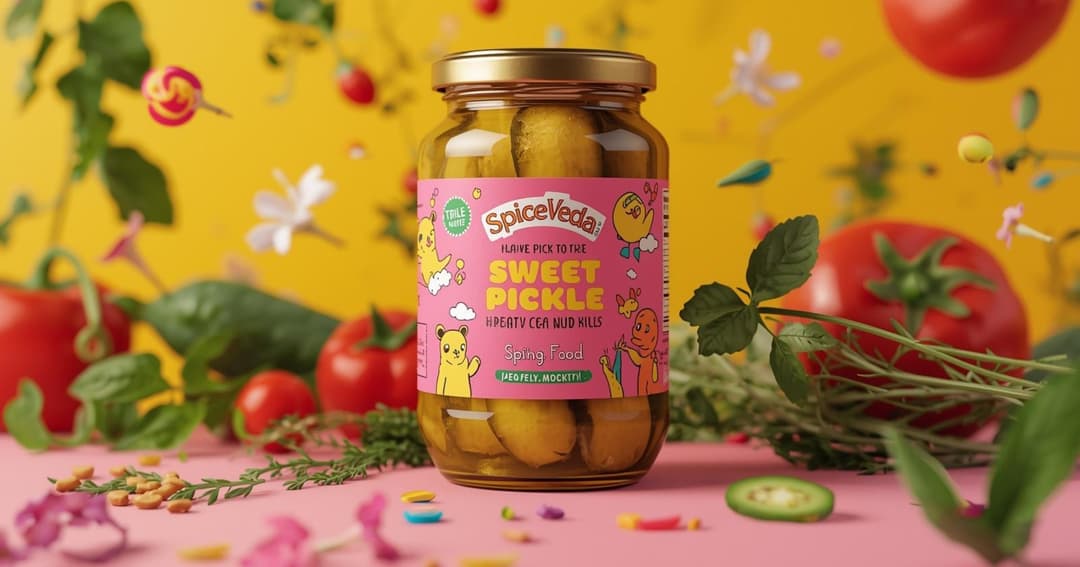
Product Label Design Mistakes That Could Harm Your Brand Image
Published: December 22, 2025
Your product label can be so much more than a sticker slapped on a jar or box—it’s often the very first handshake between your brand and your customers. If you’ve ever wondered how to design product labels for branding, or worried you might be making costly mistakes without realizing, you’re in good company. Today’s brands—from craft coffee brewers to local skincare creators—know label design is about trust, style, and making someone feel “This was made for me.” Let’s talk frankly about common label missteps that could trip you up, and (much more importantly!) how to avoid them.
Why Product Label Design Is More Than Just Looks
Picture shopping—on shelves or online—and consider what grabs your attention. Is it an eye-catching font, a clean design, or maybe the story told by the label itself? Whether you’re stocking up at a farmer’s market or browsing e-commerce, most of us judge brands by first impressions. That’s why learning how to design product labels for branding matters so much. A poor label design can send the wrong signal, look cheap, or simply confuse people about what you’re selling. On the flip side, the right design can leave customers feeling confident and connected—even proud—to choose your product.
This isn’t just about aesthetics. Labels often speak to lifestyle, values (local, sustainable, artisan), and even the promise your brand delivers. A label can make shoppers feel understood, or leave them walking away confused. If you’ve spent months perfecting your product, it’s worth making those first few seconds count.
Major Product Label Design Mistakes to Avoid
Poor Font Choices and Illegible Text
Ever squinted at a label, trying to figure out what it says? Or maybe you skipped a product altogether because the font looked outdated or was impossible to read? Fonts set the tone—friendly, serious, luxurious—and should absolutely be simple enough for anyone to read. Overly artistic typefaces might look cool at first, but they often do more harm than good. Always test your label in different lighting and from a distance. Remember, if a customer can’t read it, they won’t buy it.
Underestimating Color Psychology
Colors aren’t just pretty—they send emotional messages. Bright reds shout energy, greens feel natural and healthy, blacks suggest luxury. But clashing colors or mismatched palettes can look amateur, and may even clash with your brand’s values. Think of how to design product labels for branding as a strategic exercise. Make your palette part of your core identity, and keep color choices consistent across all your products. Neutral backgrounds with pops of color often work best for clarity and shelf impact.
Missing Key Information
Transparency is currency in branding. If your product label leaves out key details—like ingredients, volume, usage instructions, or origin—you risk damaging trust with your audience. For food, skincare, or health-related items, missing info can even cause legal problems. Double check: does your label explain what the product is, how to use it, and why it’s special? Too little information makes you look unreliable; too much can overwhelm. Balance is essential.
Ignoring Market and Cultural Sensitivity
Think about where your products will be sold and who will be buying them. Sometimes, even a great design can stumble if it uses imagery, wording, or cultural references that don’t land well with the intended audience. For example, colors and symbols can mean very different things in different countries. Make sure your label works for your market—locally and wherever you plan to expand. Research competitors and ask real people for feedback before you commit.
How to Design Product Labels for Branding: Practical Tips
Ready to polish up those labels and avoid rookie mistakes? Here are some quick but pivotal guidelines:
- Prioritize clarity and readability: Choose typefaces that reflect your brand personality but can be easily read on a store shelf or on a small screen.
- Keep branding consistent: Match colors, logo placement, and tone across all your labels to build recognition and trust.
- Test before printing: Print a mock-up and get honest feedback from people who don’t know your product. If they’re confused, rethink your design.
Also, make sure you review legal requirements in your locale for required information (especially important for food, supplements, or cosmetics).
What to Look For When Finalizing Your Label
The process of label design isn’t just about looks; it also involves practical and responsible choices. Before picking a paper or finishing type, consider these:
- Material quality: Is your label water-resistant, durable, and eco-friendly if sustainability matters to your audience?
- Print clarity and finishes: Smudged ink or peeling corners don’t inspire confidence. Matte, glossy, or textured finishes can all impact how your product is perceived.
- Supplier reputation: Work with trusted print specialists, especially if you need custom cuts, metallics, or specialty details.
Planning to sell internationally? Factor in language requirements and sizing standards for each market. Doing a bit of research up front can save headaches down the road.
Creating Labels That Build, Not Break, Your Brand
Your product label is a miniature billboard. Done well, it helps build lasting connections with customers and keeps them coming back. When you learn how to design product labels for branding, you’re making a real investment in your reputation, sales, and even your peace of mind.
If you’re in the process of redesigning or launching a new label, now’s the perfect time to get feedback—from trusted colleagues, potential customers, or professionals who know their stuff. Invest in prototype samples and test under real-life conditions. And above all, remember: transparency, good design, and cultural respect generate loyalty and pride in your brand.
Looking for fresh eyes on your next label design? Or want advice on balancing creativity with clarity? Join our community for more practical tips, or reach out for a personalized critique. Your brand deserves to shine—let’s make sure your labels get you there.
Get in Touch
Still have questions? Fill out the form below and our team will get back to you shortly.