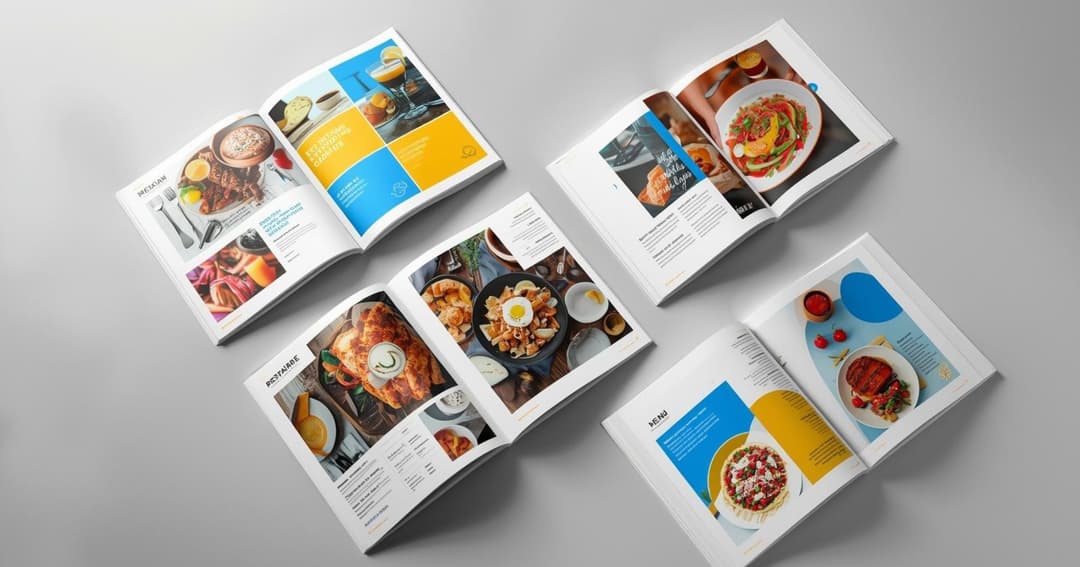
The Art of Booklet Design
Published: November 27, 2025
If you’ve ever held a beautifully crafted booklet in your hands, you know it’s so much more than paper bound together. Booklets take on a life of their own, merging visuals and text into a format that’s part guide, part journey, part inspiration. Whether you’re creating booklets for a business, organization, or your own passion project, getting the design just right can transform your message from “pretty good” to “absolutely unforgettable.” If you’re curious about the art of booklet design—and want to know how every detail can contribute to the overall impact—you’re in the right place. Let’s unpack the creative process behind designing booklets that connect and engage.
Why Booklet Design Matters More Than You Think
Designing booklets is more than picking out nice fonts and colors; it’s about shaping an experience for your reader. Imagine flipping through a travel guide booklet with crisp imagery and clear sections versus a cluttered one with mismatched graphics. The first draws you in; the second sends you looking for something better. Well-crafted booklets feel inviting. They effortlessly guide you from page to page, making complex information feel accessible and personal.
Great design also strengthens your message. If you’re sharing a company’s mission or unveiling a new community initiative, every design choice—each margin, photo, and header—plays a part in how your message is received. Thoughtful booklet design shows respect for your readers, helping them engage, understand, and remember what truly matters. And let’s be real: in a digital era, a well-designed printed piece still holds an irreplaceable charm. It’s tactile, memorable, and unexpectedly powerful.
The Essential Elements of Booklet Design
Let’s look at a few crucial aspects that set booklets apart from other formats:
- Layout and Flow: Booklets are small by nature, which means every inch matters. A well-organized layout guides the reader’s eye naturally. Sections should be easy to scan, with clear visual cues marking transitions from one topic to the next.
- Color and Imagery: The right color palette helps create mood and harmony. Whether you opt for bold colors or soft tones, consistency is key. High-quality images or illustrations capture attention and reinforce your message.
- Typography: Font choices should balance readability with personality. Think clean headings paired with comfortable body text. The type hierarchy—how different text elements are styled—helps readers instantly distinguish key points from supporting details.
Making the Message Shine: How Booklets Reach Their Audience
Here’s where design meets purpose. Booklets work best when they communicate a message clearly and creatively. For example, event booklets might use playful illustrations to energize attendees, while a charity project booklet might feature empathetic photos that bring causes to life.
As you shape your booklet, think about your audience. Are they busy professionals in need of a quick overview? Or weekend hobbyists looking for step-by-step guides? Effective design speaks their language—literally and visually. The flow of information should mimic their needs, minimizing clutter and expanding areas that matter most.
How to Style Your Booklets for Maximum Impact
Designing a standout booklet doesn’t mean reinventing the wheel. Follow a few reliable tips to boost your design game:
- Keep it simple: Stick to two or three main colors and no more than two distinct fonts to preserve harmony.
- Prioritize white space: It prevents overcrowding and keeps pages easy to read.
- Be intentional with visuals: Use images strategically—don’t just fill space; enhance your point.
Consistency counts. Use the same grid, spacing, and color logic throughout. If your booklet features charts or infographics, make sure they follow the same style guidelines to create a seamless experience.
Choosing the Right Booklet: A Quick Buying Guide
If you’re picking pre-designed booklets or working with a printer, here are a few things to keep in mind:
- Paper quality: Thicker paper often feels more premium and lasts longer. Ask about recycled or sustainably sourced options if that aligns with your values.
- Binding method: Stapled, saddle-stitched, or perfect bound—each affects how your booklet opens and holds up over time.
Finally, double-check the print finish: matte lamination provides a soft, modern touch, while glossy finishes look sharp and vibrant. Choose what suits your message and audience.
Designing Booklets That People Remember
The art of booklet design isn’t just choosing what looks good—it’s blending visual appeal with thoughtful communication. Done right, booklets become keepsakes, guides, and expressions of your brand or ideas. Whether you’re working solo, teaming up with a designer, or simply picking out booklets for a project, remember that every design choice helps your story unfold.
Curious about how to bring your own booklet ideas to life? Start with a clear goal, gather a few design inspirations, and make every element count. Don’t be afraid to experiment, and always keep your reader—real people, just like you—at the heart of every page. Ready to create something memorable? Begin your booklet design journey today, and let your message shine.
Get in Touch
Still have questions? Fill out the form below and our team will get back to you shortly.