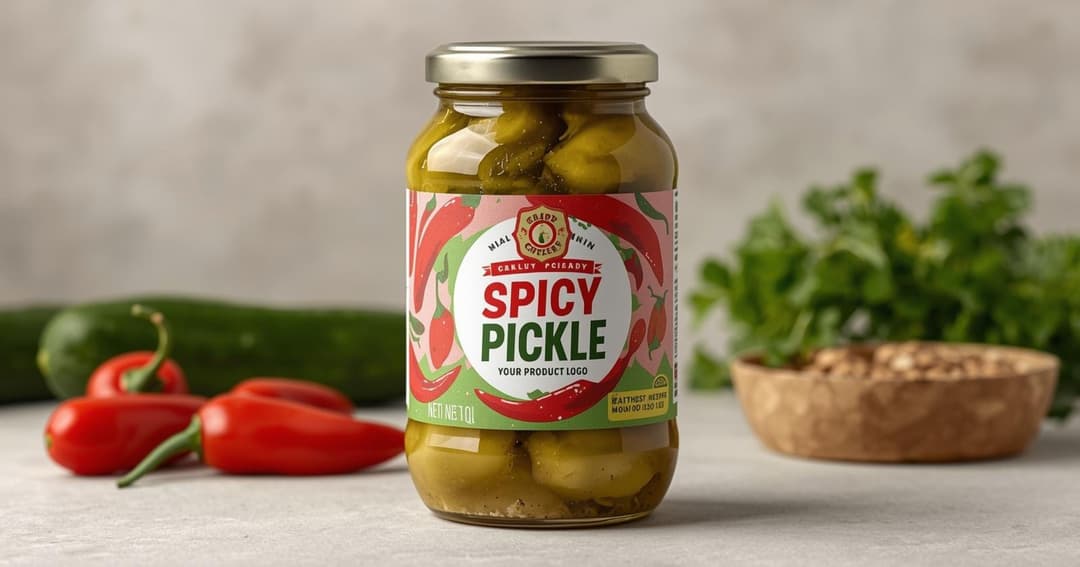
The Role of Product Labels in Building Brand Consistency
Published: December 24, 2025
The Role of Product Labels in Building Brand Consistency
Think about the last time you browsed a supermarket shelf or scrolled through an online store. What made you reach for one product over another? A huge part of that decision probably had to do with its label. For brand owners, designers, and small business founders, learning how to design product labels for branding is more than just a creative exercise—it’s a major step toward building trust and making your brand instantly recognisable. In this post, we’ll break down why labels are such a big deal, how they foster consistency, and practical steps for designing labels that connect with consumers.
Why Product Labels Matter More Than You Think
Labels are often the first interaction a shopper has with your brand. They do more than list ingredients or display a logo—they paint a picture of who you are. A well-designed, consistent product label doesn’t just stand out; it makes your items feel reliable and familiar. Think of big household brands—most of us could spot their labels from across the room, and there’s comfort in that predictability.
Consistency in labels is like a handshake you repeat every time someone picks up your product. Over time, this brand recognition leads to trust. Whether you’re a skincare entrepreneur, food producer, or running a small-batch candle business, each label is a “mini handshake.” Fumbling with mismatched colors, fonts, or styles? Customers notice, and a lack of cohesion subtly signals that they can’t count on your brand.
How To Design Product Labels For Branding: Main Principles
So, what goes into designing a label that actually builds brand consistency—and not just for beauty’s sake? Here are some ways to nail it:
1. Define and Stick to Your Brand Identity
Your brand identity is the DNA behind every label. Are you modern and minimal, or classic and rustic? Before designing a label, get clear on what you want people to feel when they see your product. If you’re running an eco-friendly soap line, earthy colors and recycled paper might speak louder than glossy finishes or neon shades.
2. Consistent Color Palette and Typography
The color and fonts you choose matter—a lot. Think Coca-Cola’s red or Tiffany’s blue. Those colors are shorthand for the whole brand experience. In learning how to design product labels for branding, pick two to three signature colors, and select typefaces that you’ll use again and again. This keeps your look cohesive, even as you add new items down the road.
3. Leverage Iconography and Imagery
Little visual cues go a long way. If your coffee company prints a small mountain icon on every label, people know instantly what to look for. Consistency in icons or images strengthens memory recall, especially when shoppers scan crowded shelves.
Enhancing Brand Storytelling with Labels
Product labels are more than decoration—they’re an invitation. A short story, tagline, or brand mission statement on your label can hook people emotionally. For instance, a honey brand might add, “Harvested locally, bottled with care,” reinforcing values and winning over conscious consumers.
Practical Tips: How To Design Product Labels For Branding
- Test for Readability: Print a draft label and view it from a distance. If key details blur or become unreadable, simplify.
- Prioritise Key Information: Brand name, product type, and essential details (like scent or flavor) should be easy to spot.
- Use Templates as a Starting Point: Many design programs offer label templates to jumpstart your layout while keeping things consistent.
Beyond Design: Legal and Practical Requirements
Don’t forget the basics—certain information is legally required on product labels depending on your industry and locale. For example, food and cosmetic products often need ingredients lists, batch numbers, and expiry dates. Keep in mind any regulations that apply to your market.
Buying Guide: What to Consider When Printing Labels
Before you hit ‘order’ on a batch of labels, it pays to check a few details beyond just design:
- Quality of Material: Durable, waterproof, or oil-proof labels last longer and look better on shelves.
- Sustainability: If your brand prioritises eco-friendliness, seek out recycled or biodegradable label options.
- Print Accuracy: Always request a proof to ensure color and sharpness match your digital design.
Conclusion: Consistency Builds Connection
In the journey to building a strong brand, product labels do a lot of heavy lifting. A cohesive approach not only ensures your products look great individually, but together they tell a united brand story. With these how to design product labels for branding tips, you’re ready to make design choices that foster trust, encourage recognition, and keep customers coming back.
Ready to review your current labels or brainstorm your next big design? Start with your brand’s core values, try out the strategies above, and don’t be afraid to ask for feedback from real users. Consistency isn’t about being boring—it’s about being recognisable, reliable, and true to what your brand stands for.
Get in Touch
Still have questions? Fill out the form below and our team will get back to you shortly.