The Environmental Impact of Printed Butter Paper
Inkprint Team
Published: June 7, 2026
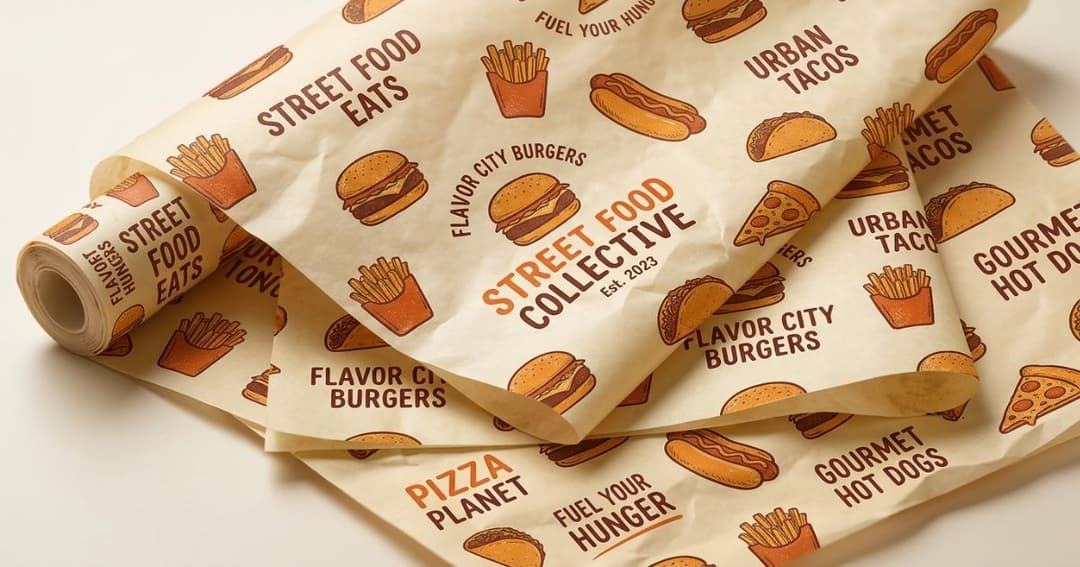
If you’ve ever savored a bakery treat or grabbed a sandwich to-go, chances are you’ve unwrapped your food from a crisp sheet of printed butter paper. More than just a colorful touch, printed butter paper for wrapping has become a staple, not just for good looks but for the bigger story it tells—one about sustainability and the daily choices we make, as consumers and business owners alike. In this post, we’ll unwrap what printed butter paper actually means for our planet, what makes it a thoughtful pick, and how it can fit effortlessly into environmentally conscious routines.
Why Printed Butter Paper for Wrapping Matters
Let’s be honest: packaging is everywhere. From takeout lunches to fresh-baked croissants, the type of wrapping we use often becomes an afterthought. But as awareness around environmental footprints grows, those seemingly small choices begin to matter—sometimes a lot. Printed butter paper for wrapping offers an alternative that’s not only practical but also reduces guilt about single-use waste.
Think of the last birthday party you attended. The stack of pastries came neatly wrapped, each with a cheerful, brand-printed butter paper. It kept everything tidy and looking special, yet the environmental cost didn’t nag at you the way plastic wrap might. That blend of style, function, and responsibility is why businesses—and thoughtful individuals—are making the switch.
Sustainability at the Core
The shift toward sustainability is no passing trend. For many, printed butter paper for wrapping stands out because it’s usually made from biodegradable or compostable materials. Unlike plastic wraps or heavily waxed papers, high-quality butter paper decomposes without leaving lasting traces in landfills or oceans.
When chosen thoughtfully, printed butter paper often comes from responsibly managed sources. It’s usually processed with food-safe inks that don’t leave behind harmful chemicals. The bonus? You don’t have to compromise on presentation or safety for environmental impact.
How Businesses Are Adopting Eco-Friendly Practices
Cafés, bakeries, and restaurants are increasingly using printed butter paper for wrapping their signature goods. Why? For one, presenting food in branded, eco-conscious packaging sends a message to customers—you care not only about taste but also about the world we all share.
Let’s consider a local café. They switched from generic waxed paper to custom printed butter paper. Their customers noticed—some even snapped photos and tagged them on social media, praising both the design and the green initiative. The café’s small change turned into positive buzz, proof that eco-friendly packaging can inspire loyalty.
Environmental Benefits Compared to Other Wrappers
It’s easy to overlook the impact of food wrapping, but comparing printed butter paper with alternatives puts things in perspective:
Plastic wrap: Non-biodegradable, can leach chemicals, and lingers in the environment for centuries.
Aluminum foil: Energy-intensive to produce and recycle, often lands in landfill if contaminated by food.
Printed butter paper: Biodegradable, compostable, and typically sourced from renewable resources, with safe food-grade printing.
The clear winner for Earth? That’s usually butter paper—especially when businesses and brands pay attention to quality and sourcing.
How to Use Printed Butter Paper for Wrapping
Integrating printed butter paper into your routine is simple and practical. Here’s how:
Choose the right size: Make sure the sheets cover your food items snugly, to keep them fresh and presentable.
Opt for custom or plain designs: Whether it’s for gift-worthy snacks or daily lunchboxes, pick patterns or prints that match your brand or occasion.
Compost responsibly: After use (provided there’s no greasy build-up), composting is an easy, eco-friendly way to dispose of butter paper.
Not only does this improve the “unwrapping” experience, but it’s also a straightforward swap for wasteful alternatives.
What to Consider When Buying Printed Butter Paper
Not all printed butter paper for wrapping is created equal. Here are a few pointers to ensure you’re making the right choice for both quality and conscience:
Materials: Look for papers certified as biodegradable, compostable, or from sustainable forestry.
Inks: Food-safe, water-based inks are the gold standard—steer clear of chemical-heavy prints.
Supplier practices: Trusted suppliers often list their environmental credentials and back up claims with certifications.
Take a moment to ask providers about their processes—doing so not only keeps your brand honest but also educates you on the finer details of ethical packaging.
Conclusion: Choose Thoughtfully, Wrap Responsibly
Small choices add up. Using printed butter paper for wrapping offers an accessible way to lessen your environmental impact, all while keeping food safe and looking its best. As consumers, business owners, or anyone who values everyday sustainability, switching to eco-friendly packaging matters more than ever.
Ready to make your food packaging greener? Next time you stock up on supplies or order takeaway, ask about the wrapping—your curiosity encourages positive change. If you’re searching for the right printed butter paper, prioritize quality, sustainability, and food-safe practices. Together, those small steps lead to a cleaner, more mindful world—one unwrapping at a time.
If you’ve ever savored a bakery treat or grabbed a sandwich to-go, chances are you’ve unwrapped your food from a crisp sheet of printed butter paper. More than just a colorful touch, printed butter paper for wrapping has become a staple, not just for good looks but for the bigger story it tells—one about sustainability and the daily choices we make, as consumers and business owners alike. In this post, we’ll unwrap what printed butter paper actually means for our planet, what makes it a thoughtful pick, and how it can fit effortlessly into environmentally conscious routines.
Why Printed Butter Paper for Wrapping Matters
Let’s be honest: packaging is everywhere. From takeout lunches to fresh-baked croissants, the type of wrapping we use often becomes an afterthought. But as awareness around environmental footprints grows, those seemingly small choices begin to matter—sometimes a lot. Printed butter paper for wrapping offers an alternative that’s not only practical but also reduces guilt about single-use waste.
Think of the last birthday party you attended. The stack of pastries came neatly wrapped, each with a cheerful, brand-printed butter paper. It kept everything tidy and looking special, yet the environmental cost didn’t nag at you the way plastic wrap might. That blend of style, function, and responsibility is why businesses—and thoughtful individuals—are making the switch.
Sustainability at the Core
The shift toward sustainability is no passing trend. For many, printed butter paper for wrapping stands out because it’s usually made from biodegradable or compostable materials. Unlike plastic wraps or heavily waxed papers, high-quality butter paper decomposes without leaving lasting traces in landfills or oceans.
When chosen thoughtfully, printed butter paper often comes from responsibly managed sources. It’s usually processed with food-safe inks that don’t leave behind harmful chemicals. The bonus? You don’t have to compromise on presentation or safety for environmental impact.
How Businesses Are Adopting Eco-Friendly Practices
Cafés, bakeries, and restaurants are increasingly using printed butter paper for wrapping their signature goods. Why? For one, presenting food in branded, eco-conscious packaging sends a message to customers—you care not only about taste but also about the world we all share.
Let’s consider a local café. They switched from generic waxed paper to custom printed butter paper. Their customers noticed—some even snapped photos and tagged them on social media, praising both the design and the green initiative. The café’s small change turned into positive buzz, proof that eco-friendly packaging can inspire loyalty.
Environmental Benefits Compared to Other Wrappers
It’s easy to overlook the impact of food wrapping, but comparing printed butter paper with alternatives puts things in perspective:
Plastic wrap: Non-biodegradable, can leach chemicals, and lingers in the environment for centuries.
Aluminum foil: Energy-intensive to produce and recycle, often lands in landfill if contaminated by food.
Printed butter paper: Biodegradable, compostable, and typically sourced from renewable resources, with safe food-grade printing.
The clear winner for Earth? That’s usually butter paper—especially when businesses and brands pay attention to quality and sourcing.
How to Use Printed Butter Paper for Wrapping
Integrating printed butter paper into your routine is simple and practical. Here’s how:
Choose the right size: Make sure the sheets cover your food items snugly, to keep them fresh and presentable.
Opt for custom or plain designs: Whether it’s for gift-worthy snacks or daily lunchboxes, pick patterns or prints that match your brand or occasion.
Compost responsibly: After use (provided there’s no greasy build-up), composting is an easy, eco-friendly way to dispose of butter paper.
Not only does this improve the “unwrapping” experience, but it’s also a straightforward swap for wasteful alternatives.
What to Consider When Buying Printed Butter Paper
Not all printed butter paper for wrapping is created equal. Here are a few pointers to ensure you’re making the right choice for both quality and conscience:
Materials: Look for papers certified as biodegradable, compostable, or from sustainable forestry.
Inks: Food-safe, water-based inks are the gold standard—steer clear of chemical-heavy prints.
Supplier practices: Trusted suppliers often list their environmental credentials and back up claims with certifications.
Take a moment to ask providers about their processes—doing so not only keeps your brand honest but also educates you on the finer details of ethical packaging.
Conclusion: Choose Thoughtfully, Wrap Responsibly
Small choices add up. Using printed butter paper for wrapping offers an accessible way to lessen your environmental impact, all while keeping food safe and looking its best. As consumers, business owners, or anyone who values everyday sustainability, switching to eco-friendly packaging matters more than ever.
Ready to make your food packaging greener? Next time you stock up on supplies or order takeaway, ask about the wrapping—your curiosity encourages positive change. If you’re searching for the right printed butter paper, prioritize quality, sustainability, and food-safe practices. Together, those small steps lead to a cleaner, more mindful world—one unwrapping at a time.
Frequently Asked Questions
Get in Touch
Still have questions? Fill out the form below and our team will get back to you shortly.