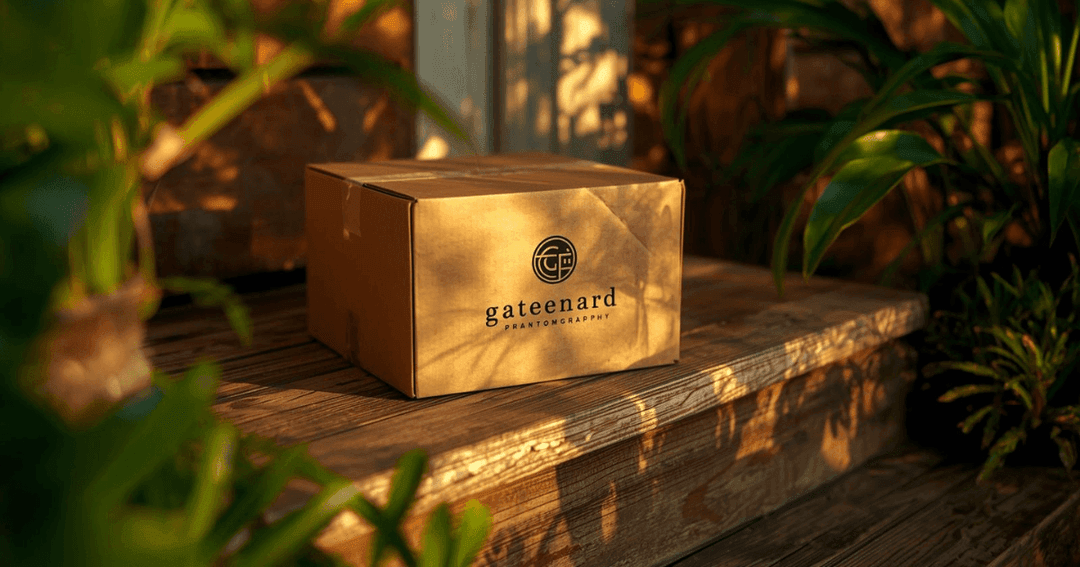
The Impact of Custom Printed Shipping Boxes on Sustainability
Published: April 8, 2026
As online shopping becomes a bigger part of our lives, the humble shipping box suddenly matters more than ever. Custom printed shipping boxes are now the handshake your business gives to every customer at their doorstep—a first impression arriving in recycled cardboard and thoughtful design. But there’s an elephant in the room: Is all this branded packaging helping or hurting the planet? If you’re worried about waste, sustainability, or making greener choices for your business, you’re in the right place. Let’s unpack (pun intended) how custom printed shipping boxes impact our environment and explore how you can make those packages a little kinder to the earth.
Why Choosing Sustainable Packaging Matters
It’s more than just cardboard. The packaging choices businesses make ripple outwards, affecting not only company image but also our world. Think about it—a beautifully branded box lands on someone’s porch. It delights at first, but what happens next? Does it get recycled, reused, or tossed? Now, multiply that by millions of shipments each day, and it’s easy to see why the topic matters.
For many consumers, packaging isn’t just background noise—it’s a reflection of their values. A customer who cares about sustainability will notice if you’ve made the effort. Plus, with climate change and plastic waste never far from the headlines, eco-friendly packaging has gone from “nice-to-have” to expectation.
Understanding Custom Printed Shipping Boxes and Their Environmental Impact
Custom printed shipping boxes are designed and printed to reflect a company’s brand, often featuring logos, slogans, and unique graphics. This personal touch looks great, but the question is—what’s the trade-off? If not handled responsibly, these custom boxes can add to landfills, increase resource use, and introduce inks or finishes that aren’t earth-friendly.
The positive news? Not all printed packaging is created equal; with careful choices, the environmental impact can be minimized or even become a net positive. Here are some key factors to keep in mind:
- Materials Used: Are the boxes made from recycled content or virgin material?
- Printing Methods: Do the inks contain toxins, or are they soy-based and biodegradable?
- End-of-Life: Can customers easily recycle, compost, or reuse the box?
Eco-Friendly Features to Look For in Custom Printed Shipping Boxes
So, what sets sustainable custom printed shipping boxes apart? Look for these key elements:
- Recycled Content: Boxes made from post-consumer waste use fewer resources and help close the recycling loop.
- Water-Based or Soy Inks: These print beautifully and break down more easily than traditional petroleum-based inks.
- Minimal Coatings: Glossy lamination and heavy finishes might look sharp but often make recycling impossible. Stick with plain or lightly-coated surfaces.
Even the smallest detail matters here. For example, a single plastic window or metallic accent might mean a box heads to landfill rather than the recycling bin. Thoughtful design reduces that risk and raises your brand’s eco-credibility.
Balancing Branding and Sustainability
There’s no denying that custom printed shipping boxes can feel like tiny billboards, spreading brand awareness wherever they travel. Striking a balance between eye-catching branding and responsible choices is where it gets interesting.
Many brands are getting creative—subtle, single-color prints on kraft paper, clever instructions for reusing the box, or even turning the shipping container into a keepsake. These approaches grab attention, but in a thoughtful, planet-friendly way. Plus, customers notice and appreciate the effort.
How Businesses Can Make Their Shipping Boxes More Sustainable
Making sustainable packaging choices is not just for big brands. Any business, no matter its size, can take steps to lower their packaging footprint. Here’s how:
- Collaborate with Eco-Conscious Suppliers: Source from companies committed to recycled materials, non-toxic inks, and ethical manufacturing practices.
- Design for Recycling: Avoid mixed materials (like plastic-laminated paper) and over-complicated designs.
- Educate Customers: Add messaging that shows how to recycle or repurpose the box, making it easy to do the right thing.
These practical tips can make a real difference, both for the earth and for how customers see your brand.
What to Consider Before Choosing Custom Printed Shipping Boxes
Not all packaging solutions are created equal. Here’s what you should look for before you sign that packaging deal:
- Material Certifications: Look for FSC, SFI, or other trusted sustainability seals. They indicate responsible sourcing and production.
- Lifecycle Analysis: Does the supplier offer transparency about carbon impacts and recyclability?
- Printing Quality and Ink Type: Make sure your branding shines, but not at the expense of the environment.
It might take a little more effort upfront, but the payoff in customer loyalty, positive reviews, and peace of mind is worth it.
Conclusion: Small Changes, Big Impact
Custom printed shipping boxes are much more than a way to get orders from point A to point B. They’re a chance for your business to show that branding and sustainability can go hand in hand. By choosing recycled materials, eco-friendly inks, and smart designs, you’re not only protecting the planet—you’re building a better, more responsible brand for the future.
Ready to make a difference with your packaging? Start by asking your supplier the tough questions, rethink your designs, and let your customers know they can trust you to do the right thing. Because in the end, every box tells a story—make sure yours is one worth sharing.
Get in Touch
Still have questions? Fill out the form below and our team will get back to you shortly.